

Complete Guide to Dietary Supplements in 2025
The dietary supplement market is booming in 2025, reflecting a growing quest for health, performance, and well-being. This guide was created to help you make informed decisions, bringing together up-to-date and reliable information on the main types, benefits, regulations, trends, and criteria for choosing dietary supplements. Discover how to identify the ideal supplement, understand the risks and opportunities in this sector, and learn how to ensure safety and results for your daily life. Explore the full content and transform your routine with conscious choices.
What Are Dietary Supplements?
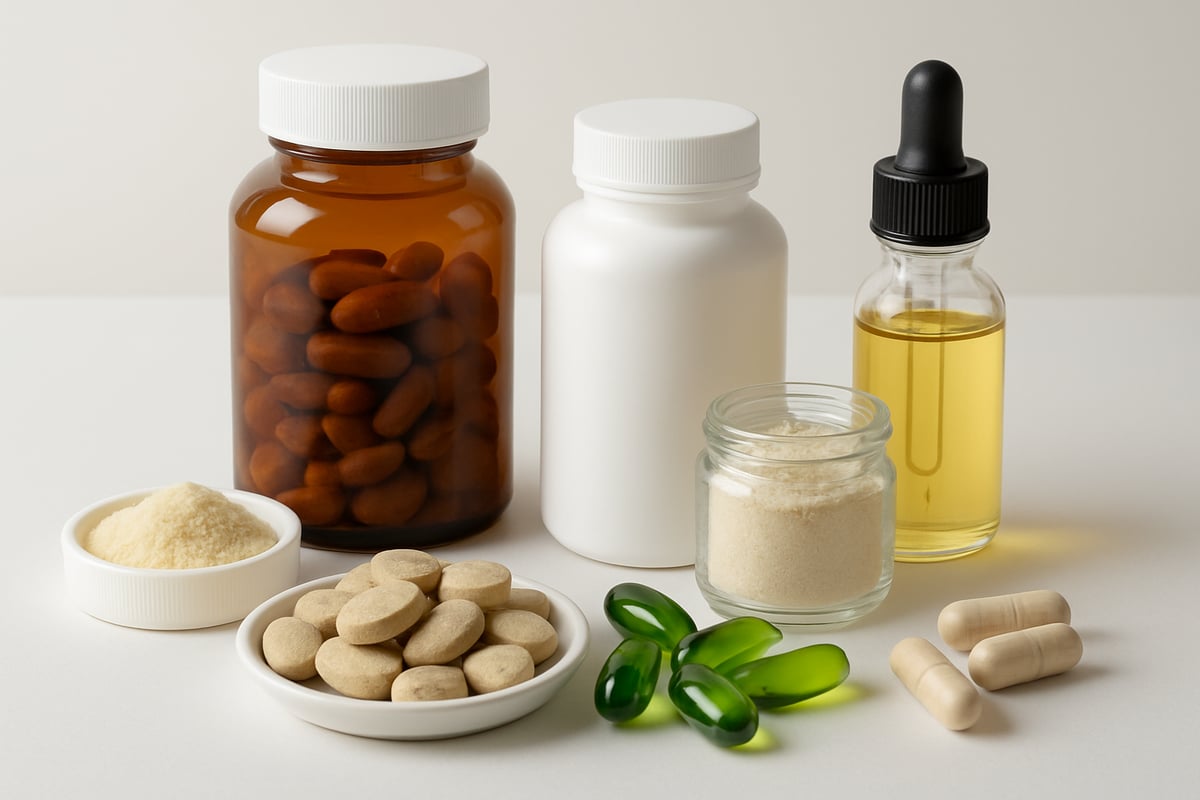
Understanding dietary supplements begins with a clear and precise definition. According to Decree-Law No. 118/2015 and Regulation (EC) No. 178/2002, dietary supplements are products intended to supplement the normal diet, providing concentrated sources of nutrients or other substances with nutritional or physiological effects. These products come in measured forms such as tablets, capsules, powders, liquids, and ampoules, facilitating proper and safe consumption.
The most common nutrients found in food supplements include vitamins, minerals, amino acids, and essential fatty acids. It is essential to distinguish food supplements from medicines, which treat diseases, and functional foods, which are consumed as part of the usual diet. Products such as homeopathic preparations, infusions, or teas are not considered food supplements. For a detailed overview of the main types, see the categories of dietary supplements.
Definition and Characteristics
Dietary supplements are regulated to ensure that they are, in fact, concentrated sources of essential nutrients or other substances with proven nutritional or physiological effects. They are not intended to replace a balanced diet, but rather to supplement it when necessary.
The dosage forms vary, allowing different consumer profiles to choose the format that best suits their needs. Among the main nutrients present, the following stand out:
Vitamins (D, C, B complex)
Minerals (calcium, magnesium, iron)
Amino acids (essential and non-essential)
Essential fatty acids (omega-3, omega-6)
It is important to note that dietary supplements should not be confused with medicines, as they do not have therapeutic claims. Functional foods, on the other hand, are enriched conventional products that are integrated into the daily diet. Homeopathic products, infusions, and teas do not fall into the category of dietary supplements.
Functions and Objectives
The main objective of dietary supplements is to meet specific nutritional needs that are not fully met by the usual diet. These needs may arise at different stages of life or in particular situations, such as dietary restrictions, intense physical activity, aging, or pregnancy.
Among the most recognized functions of dietary supplements are supporting metabolism, strengthening the immune system, increasing energy, improving athletic performance, and supporting mental health. They contribute to maintaining the body's homeostasis, without attributing therapeutic properties.
Common examples of use include:
Athletes seeking to optimize recovery and performance
Elderly people at greater risk of nutritional deficiencies
People with dietary restrictions (vegans, intolerances)
Pregnant women with increased needs for certain nutrients
The conscious choice of dietary supplements should always be guided by a healthcare professional.
Statistics and Market
The dietary supplement market is experiencing significant growth in Portugal and across Europe in 2025. After the pandemic, there was a significant increase in demand for solutions that promote preventive health, well-being, and immunity. This scenario has driven innovation and diversity in the products available.
The main factors explaining this growth include an aging population, greater interest in sports, and the ongoing search for quality of life. The dietary supplement segment has become more diverse, ranging from products for athletes to specific options for women, the elderly, and vegans.
Recent studies indicate that around 60% of European consumers already use dietary supplements regularly, reflecting growing concern for health and the adoption of preventive habits. The trend is toward continued expansion, with dietary supplements playing a central role in the routine of those who value informed choices and well-being.
Main Types of Dietary Supplements in 2025
The world of dietary supplements is constantly evolving, reflecting scientific advances and new consumer needs. In 2025, there is a wide variety of options, ranging from vitamins to innovative compounds. Knowing the main types of dietary supplements is essential for making safe choices that are aligned with your health and performance goals.
Vitamins and Minerals
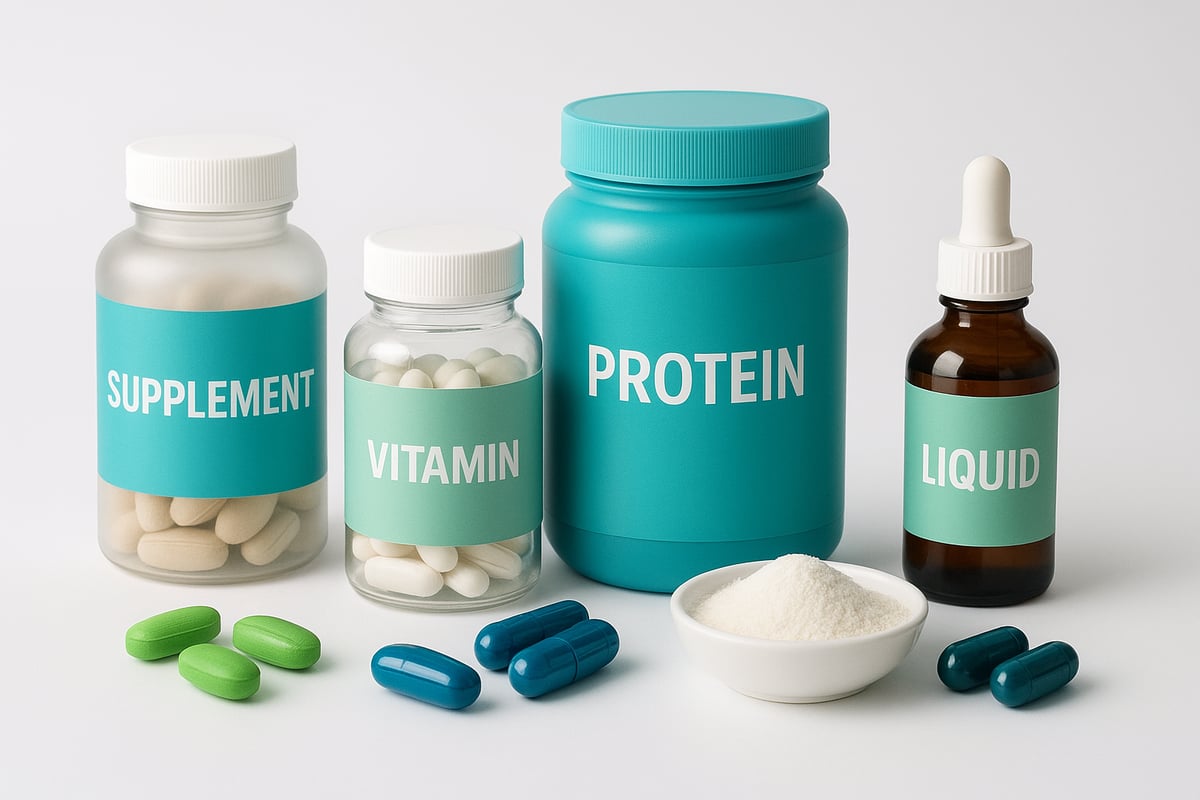
Vitamins and minerals are essential dietary supplements for maintaining the body's balance. They play a role in processes such as immunity, energy metabolism, and bone health. Common examples include vitamin D, vitamin C, magnesium, and iron. Deficiencies in these nutrients are common in Portugal and Europe, especially among the elderly and at-risk groups. Supplementation should be done under professional supervision, as excess can cause adverse effects. To learn more about the role of magnesium, see this article: Magnesium: benefits and indications.
The appropriate choice of dietary supplements in this category depends on the individual's profile and laboratory test results.
Proteins and Amino Acids
Protein dietary supplements, such as whey, casein, and vegetable protein, are widely used by people who exercise and those with specific protein needs. They aid in muscle recovery, lean mass maintenance, and satiety. Essential amino acids, such as BCAAs, are important for athletes as they aid in protein synthesis and performance.
The difference between protein types lies in their origin (animal or vegetable), absorption rate, and amino acid profile. The choice should consider dietary restrictions and individual goals.
Essential Fatty Acids (Omega 3, Omega 6)
Essential fatty acids, such as omega 3 and omega 6, are dietary supplements valued for their benefits to the heart, brain, and anti-inflammatory processes. Many people do not consume adequate amounts of these nutrients through diet alone.
Natural sources include fatty fish, seeds, and vegetable oils, but supplements may be recommended in cases of insufficient consumption. Monitoring is essential to avoid imbalances between omega 3 and 6.
Probiotics and Prebiotics
Probiotics and prebiotics have become highlights among dietary supplements in 2025, due to the growing recognition of the importance of intestinal health. Probiotics are beneficial bacteria that help balance the intestinal flora and strengthen the immune system. Prebiotics are fibers that feed these bacteria.
Strains such as Lactobacillus and Bifidobacterium are widely studied. The choice of supplement should consider the purpose, such as supporting digestion, immunity, or preventing gastrointestinal discomfort.
Natural and Herbal Supplements
Natural and herbal dietary supplements include extracts from plants such as ashwagandha, turmeric, ginseng, and valerian. These products are used to promote relaxation, energy, hormonal balance, and stress reduction. The safety of these supplements depends on consumption history and current regulations.
It is important to choose products from reliable manufacturers and to follow the recommended doses. To learn more about natural supplements, explore specialized and up-to-date sources.
Performance and Recovery Supplements
In the performance segment, dietary supplements such as creatine, caffeine, beta-alanine, and thermogenics are popular among amateur and professional athletes. Creatine, for example, is recognized for improving strength and muscle explosion, while caffeine aids concentration and reduces fatigue.
The use of these supplements should be based on scientific evidence and always supervised to avoid health risks. Recent statistics show an increase in consumption in various sports.
Health and Wellness Supplements
Dietary supplements focused on health and wellness include antioxidants, collagen, multivitamins, and formulas for sleep and relaxation. These solutions are recommended for different audiences, such as the elderly, women, vegans, and people with busy lifestyles.
Segmented consumption reflects the search for quality of life, longevity, and disease prevention. The choice of the ideal supplement should consider the specific needs of each stage of life.
How to Choose the Ideal Supplement
Choosing dietary supplements consciously is essential to ensure positive results and avoid unnecessary risks. With the huge variety available in 2025, each decision must be made based on reliable information, individual analysis, and attention to the technical details of each product. Here's how to make safe and effective decisions when choosing the ideal supplement.

Assessing Individual Needs
The first step in choosing dietary supplements is to assess your personal needs. Each body is unique, so factors such as age, gender, routine, level of physical activity, health goals, and dietary restrictions must be considered.
Consulting a healthcare professional or nutritionist is essential. Only a specialist can interpret laboratory tests and identify actual nutritional deficiencies, avoiding unnecessary or inappropriate use of dietary supplements.
For specific groups, such as athletes, the elderly, pregnant women, or vegans, personalization is even more important. Choices based on evidence and professional recommendations reduce risks and maximize benefits. Avoid deciding based solely on advertising or third-party recommendations, as each case requires careful evaluation.
Interpreting Labels and Composition
Knowing how to read and interpret dietary supplement labels is essential to ensure safety and effectiveness. Always analyze the concentration of nutrients, active ingredients, additives, and potential allergens present in the product.
Check the difference between the recommended daily dose and the maximum allowed dose. Reliable products carry quality seals and certifications, indicating compliance with European standards.
In addition, understanding the list of ingredients can prevent common mistakes, such as consuming unnecessary or excessive substances. To learn more about this topic and common mistakes, see the article 5 common mistakes when taking supplements.
Prioritize dietary supplements with clear, transparent labeling and no unproven therapeutic claims. Accurate information on the label is your main tool for protection.
Safety and Quality
Safety should be a priority when choosing dietary supplements. Always opt for products of known origin, recognized brands on the market, and those with quality certifications.
Be wary of prices well below market value or miraculous promises. There is a risk of contamination and adulteration, especially when buying online or from unauthorized establishments. Stay alert for recalls and safety alerts issued by official agencies.
Also check that the supplement does not contain prohibited substances or unauthorized ingredients. Certified products offer greater assurance that they have undergone rigorous testing, minimizing health risks.
Cost-Effectiveness and Effectiveness
Assessing the cost-effectiveness of dietary supplements is essential to avoid wasting resources. Compare the price with the composition, quality of ingredients, and expected results.
Premium products may offer advantages in terms of purity and absorption, but they are not always indispensable for all goals. Generic supplements, when certified, may be sufficient in many cases.
| Product Type | Advantages | When to Invest |
|---|---|---|
| Premium | High purity, superior absorption | Desire for maximum performance |
| Certified Generic | Good cost-effectiveness | Basic supplementation, maintenance |
Avoid unnecessary expenses by prioritizing products that really meet your needs. Consult professionals to align expectations and ensure that your investment in dietary supplements brings concrete results.
Legislation, Labeling, and Safety of Supplements in Portugal
The legislation governing dietary supplements in Portugal is essential to ensure consumer safety and confidence. The regulatory landscape has evolved to respond to the growth of the sector, protecting public health and ensuring quality standards. Knowing the rules, labeling, and enforcement mechanisms is essential to make informed choices and avoid risks associated with the consumption of these products.

Current Rules and Regulations
Food supplements are subject to a strict legal framework in Portugal, based on Decree-Law No. 118/2015 and Regulation (EC) No. 178/2002. These laws define food supplements as products intended to supplement the diet, containing nutrients or other substances with nutritional or physiological effects.
Before being marketed, food supplements must be notified to the Directorate-General for Food and Veterinary Affairs (DGAV). This procedure allows the authorities to monitor the composition, safety, and labeling of products. In addition, there is a clear distinction between food supplements, medicines, and foods for athletes, avoiding confusion in the market and protecting consumers.
The legislation requires manufacturers and importers to comply with strict hygiene, traceability, and good manufacturing practice requirements. The aim is to ensure that only safe and properly controlled food supplements reach the end consumer.
Authorized and Prohibited Ingredients
The use of ingredients in food supplements is strictly regulated. Permitted vitamins and minerals follow lists defined by Regulation (EC) No. 1170/2009 and Directive 2002/46/EC. Only approved compounds in safe quantities may be used.
For plants and extracts, the legislation requires a history of safe consumption prior to 1997. New ingredients, known as “novel foods,” can only be used after evaluation and specific authorization by the European Union. Among the prohibited substances are ephedra, cabinda wood, aloe-emodin, and others, according to Regulation (EC) No. 1925/2006.
The table below summarizes examples of authorized and prohibited ingredients:
| Category | Authorized | Prohibited |
|---|---|---|
| Vitamins/Minerals | Vitamin D, Magnesium, Iron | Excessive doses |
| Plants/Extracts | Ginseng, Chamomile | Ephedra, Pau d'Arco |
| Others | Omega-3, CreatineAloe-emodin, Yohimbe |
These standards aim to ensure that dietary supplements available on the market are safe and effective.
Labeling and Nutritional/Health Claims
The labeling of dietary supplements follows strict rules to protect consumers and prevent misleading information. It is mandatory that the label clearly states the name, list of ingredients, recommended daily dose, warnings, batch number, and expiration date.
Therapeutic claims, such as “cures diseases” or “prevents pathologies,” are not permitted. Only authorized nutrition and health claims may be used, always supported by scientific evidence.
To learn more about the rules for labeling food supplements in the EU, visit the official European Union website. This source details the requirements for mandatory information, prohibitions, and examples of permitted claims.
EU digital tools and information systems help verify label compliance, promoting transparency and confidence in the consumption of food supplements.
Inspection and Consumer Safety
The DGAV is responsible for inspecting food supplements in Portugal. This entity supervises the notification of new products, verifies label compliance, and acts in cases of administrative or technical changes.
Manufacturers and distributors must register with SIPACE, a mandatory system for operators in the sector. In case of non-compliance, sanctions may be applied, including product seizures and fines. Examples of this are recent product recalls due to the presence of unauthorized substances.
For establishments that use ingredients of animal origin, there are specific approval criteria defined by the DGAV, ensuring even greater consumer safety.
Strict enforcement by the authorities is essential to maintain public confidence and the integrity of the food supplement market.
Trends and Developments in Food Supplements for 2025
The world of food supplements is evolving rapidly in 2025, driven by technological innovation, more demanding consumer profiles, and constantly updated regulations. New concepts, ingredients, and personalized approaches are transforming the experience of those seeking health, performance, and well-being through supplementation.
Personalization and Precision Nutrition
Personalization is one of the main trends in dietary supplements this year. Digital platforms and apps integrate genetic data, microbiome, and lifestyle habits to suggest formulas tailored to each person. The goal is to optimize results and avoid excesses or deficiencies, making supplementation more effective. Consumers demand solutions aligned with their profile, enhancing the individualization of recommendations. This approach reflects the growing demand for dietary supplements that respect the biological uniqueness of each individual.
Innovative Ingredients and “New Foods”
Innovation in dietary supplements involves the introduction of emerging ingredients such as adaptogens, bioactive peptides, and exclusive plant extracts. Many of these components are still awaiting approval from the European Union, in accordance with strict safety criteria. Regulatory changes, such as the upcoming amendments to EU regulations on dietary supplements, bring opportunities and challenges for the industry, which needs to adapt to new requirements and ensure transparency regarding the origin and effectiveness of ingredients.
Sustainability and Transparency
Sustainability has become essential in the development of dietary supplements. Brands are investing in natural and traceable ingredients, prioritizing organic production chains and less polluting processes. Eco-friendly packaging and reduced artificial additives are increasingly valued by consumers. Transparency in labeling and communicating benefits reinforces trust, making the choice of dietary supplements more conscious and aligned with environmental and social values.
Digitization and Consumer Education
The advancement of e-commerce and specialized platforms facilitates access to quality dietary supplements. Blogs, webinars, and educational content are becoming essential sources for informed consumers who seek to understand risks and benefits before purchasing. Digitization also allows consumers to follow trends, compare products, and access recommendations based on scientific evidence, promoting safer and more responsible choices.
Market and Consumption in Portugal and Europe
The food supplement market in Portugal and Europe is growing rapidly in 2025. Recent data points to a more informed and demanding consumer, concerned with the safety, efficacy, and origin of products. Awareness and food education campaigns contribute to responsible use, while segmentation by age group and profile favors targeted solutions. An aging population and the demand for preventive health continue to drive the sector.
Current Risks and Challenges
Despite growth, challenges remain in the dietary supplement sector. The increase in online sales exposes consumers to unregulated products and unreliable information. False claims and misinformation circulate easily, making it essential to purchase from reliable stores and seek guidance from healthcare professionals. Strict regulation and enforcement are crucial to ensuring consumer safety and confidence in this dynamic market.
After exploring the main trends, types, and selection criteria in the world of dietary supplements for 2025, I believe it is essential to take the next step with confidence and information. You already know how supplementation can support energy, performance, immunity, and well-being, especially when you choose brands that prioritize quality and safety. If you are looking for products that really make a difference in your routine and health, I invite you to discover our selection of Health and Wellness Products. Make smart choices to live better, today and in the future.